
What are those lake blobs? In case you’re wondering…
Those gelatinous blobs in the lake are Bryozoans. They are a sign of a healthy ecosystem so leave them in the water to do their thing. 

Those gelatinous blobs in the lake are Bryozoans. They are a sign of a healthy ecosystem so leave them in the water to do their thing.

Our End of Summer party, is on Saturday September 14th, from 4 to 7pm!
We are back at the Community Park with the rockin’ Patsy Thompson Band this year.
We’ll have the swag table, 50:50 draw, silent auction, and awesome food as well. This will be a great time to get re-acquainted with your new and old neighbours.
No booze sales this year to appease our FVRD support, but we’ll have soda and juice available.
Please RSVP to admin@LakeErrockCA.com if you plan to attend, we need to figure out how much food we’ll need.

Summer is here, and our community garage sale is this Saturday, June 22nd, from 10 am to 2 pm, and it looks like it will be nice weather!
So put out the good stuff to sell on your driveway or garage or yard, and get ready to share your treasures with someone else.
Sort through those things clogging your garage, shed, or crawlspace that you haven’t touched in a year(s), and declutter!
We will have signage on the highway, on corners, and posted on the FVRD e-sign in Deroche. Just put out your stuff on your driveway priced to sell.
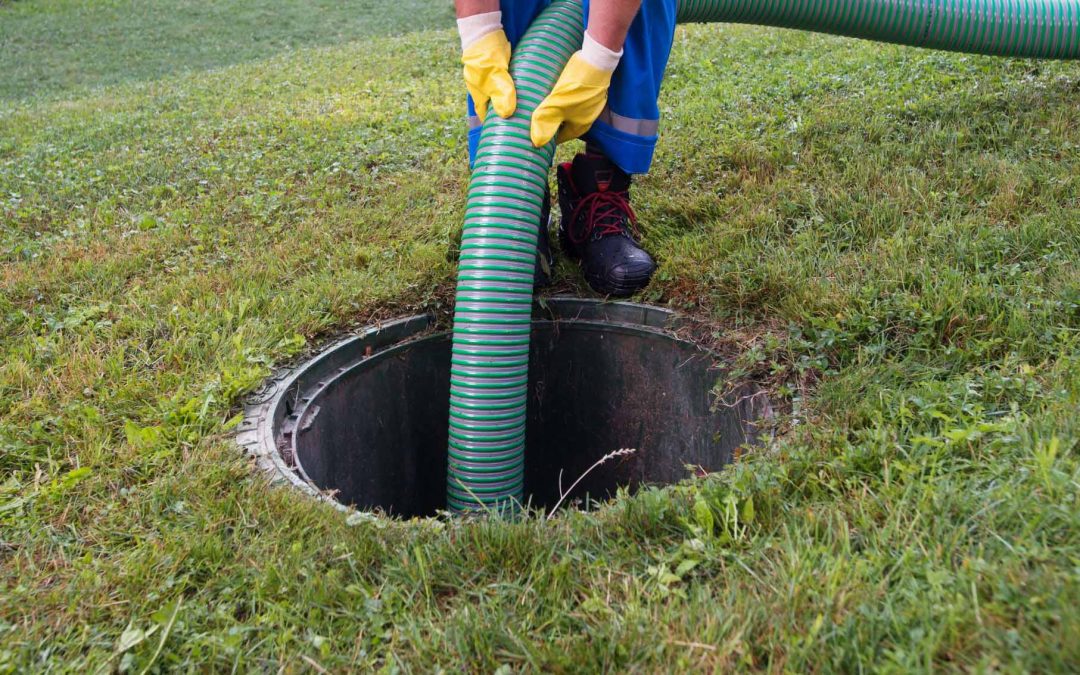
Now that last year’s guests have gone, it’s the perfect time to get your annual septic system maintained, to comply with the regulations!
If you haven’t done annual maintenance or pumped your tank every 3 to 5 years, then your poop and soapy graywater are definitely getting into our groundwater and lake.
In October and November our lake had a suspected blue-green algae bloom (cyanobacteria -see picture from our lake), that can cause illness in people and has killed pets. Many recreational lakes in BC have experienced this toxic event, some year round.
The contributing factors include low water flow, fertilizers, excessive lighting, and unmaintained septic systems.
Since most of the lake properties are in the flood plain, and the drainage ditches throughout the neighborhood all flow into the lake (some have salmon now spawning), please help our lake by not using fertilizer, limit or put exterior lights on timers, and getting your septic system maintained annually, as required in BC (see below).
Septic Tank Installers and Maintenance
Here’s contact number for just a few companies that service locally if you don’t have your septic installer’s contact, or you can look up more on this website https://asttbc.org/registrants/registrant-directory/# (select Advanced Search, then Registry Subclass = ROWP, and Registry Discipline = Maintenance Provider)
Why do you need to maintain a septic system?
Conventional septic systems are made up of a septic tank (a watertight container buried in the ground) and a drain field, or leach field. In the septic tank, solids settle on the bottom (the sludge layer includes dirt from washing), and oils and grease and toilet paper float to the top and form a scum layer. The liquid wastewater, which is in the middle layer of the tank, flows out through perforated pipes into the drainfield, where it percolates down through the ground. Most wastewater treatment takes place in the drainfield in a basic one tank system. On new systems, there are usually 2 or 3 tanks that treat the sewage before it percolates into the ground. In our neighborhood, all newer septic systems have drain field mounds of sand. You know your system is very old if you can’t see the lids.
Although bacteria continually work on breaking down the organic matter in your septic tank, sludge and scum will build up, which is why a system needs to be cleaned out periodically. If not, sludge and scum can flow into the drainfield clogging the pipes and sewage can back up into your house, or just oozes into the soil around your tank, and groundwater takes it to the lake. Overloading the system with water also reduces its ability to work properly by not leaving enough time for material to separate out in the tank, and by flooding the system.
Here’s a link to more information: https://www.fraserhealth.ca/health-topics-a-to-z/onsite-sewerage-systems/onsite-sewerage-system-complaints
Thanks for doing your part helping keep our lake healthy. Please share this with your neighours.

Many residences in the FVRD’s eight electoral areas are on private septic systems. These are regulated by the Fraser Health Authority. With the right care and maintenance, these systems are an economical and safe way to treat household wastewater and sewage.
What Is A Septic System? All homes need a way to process their wastewater and sewage originating from our sinks, bathtubs, showers, washing machines, and toilets. Many rural homeowners are not connected to a municipal sewer system, so septic systems are used as the main method of sewage and wastewater treatment. A septic system is a self-contained, underground wastewater treatment system that is designed to hold, treat and dispose of household wastewater. When the liquid portion leaves the system, it can eventually reach groundwater or surface water, and be recycled back into your drinking water source. If wastewater is improperly treated, it can pollute local water sources that you and your community use for drinking water or recreational activities. Proper care and maintenance of your septic system will help prevent contamination of local water sources, protecting the health of your family, community, and the environment.
Check out the fact sheets below to find out how your septic system works, how often it should be monitored, inspected and maintained, and how you can extend its lifespan while protecting the health of your family and the environment.
Septic Sense – PDF
Septic Tank Maintenance – PDF
For more information visit the FVRD Sewer and Septic